
Last updated: 15 October 2026
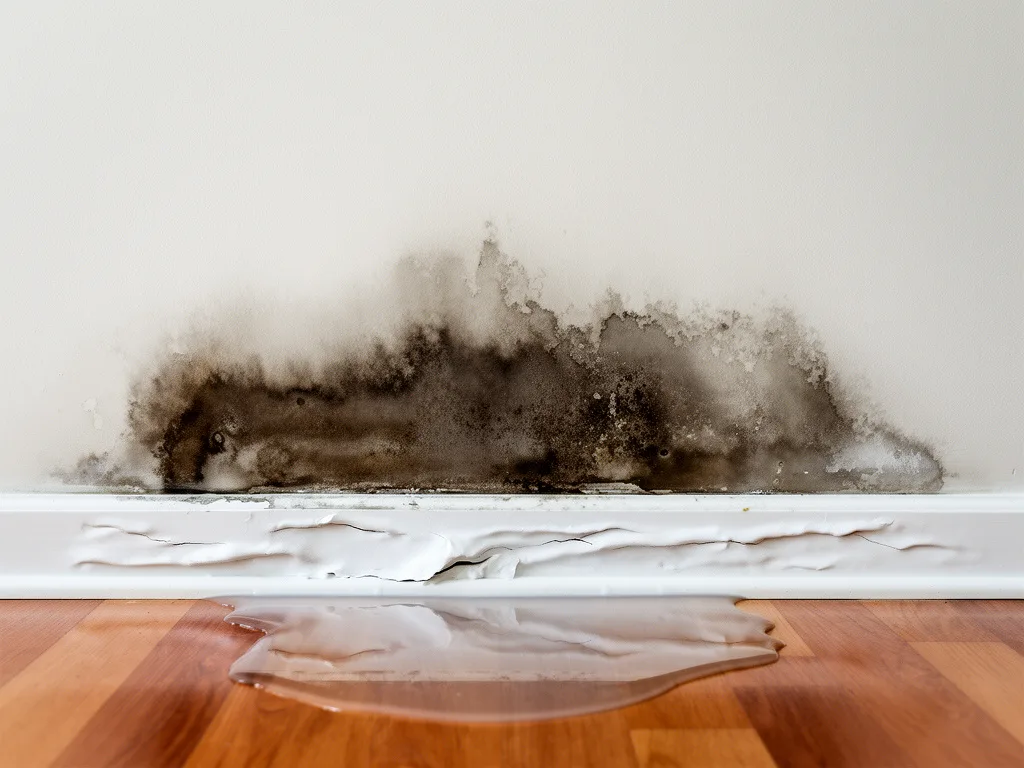
The honest answer is that it depends. Drying a wet house often takes a few days, while repairs and rebuilding can take longer than the drying itself. After the free on-site estimate and moisture readings, the crew can give a plan for your house, because no one can name a fair timeline from a phone description alone. Mold can begin to grow on wet materials within 24 to 48 hours, according to EPA and CDC guidance, so starting early matters more than any single number.
Why is there no single answer for how long water damage restoration takes?
Two floods that look alike can behave differently. One may soak a tile floor that dries in a couple of days. Another may reach insulation inside a wall, and that wet cavity holds water long after the surface feels dry. The only way to know is to measure, which is why the first visit centers on meters and a walk through each room, not on a guess. For the full list of services, see water damage restoration.
Wet floors or walls right now? Call (404) 495-3899 any hour for a free on-site estimate.
What are the stages, and how long does each one tend to take?
A typical job moves through the same steps, though each step stretches or shrinks with the house.
- Stopping the source and removing standing water. This is usually the shortest stage and happens first, often within the first visit.
- Tearing out what cannot be dried. Soaked padding, insulation and some drywall come out so they do not hold moisture or feed mold.
- Drying with air movers and dehumidifiers. This is the stage most people mean by the question. It often runs a few days, with readings checked until the framing and subfloor reach normal levels.
- Cleaning and deodorizing. Rooms and salvageable belongings are cleaned once the structure is dry.
- Repairs and rebuilding. New drywall, flooring, paint and trim go in last. Depending on how much was removed, this can take longer than the drying.
Questions about your specific surface or budget? Call (404) 495-3899 — no obligation.
What makes a job shorter or longer?
Several things push the schedule one way or the other.
- Category of water. Clean supply water from a broken pipe is simpler than sewage or flood water, which brings contamination and more removal.
- Size of the area. More rooms and more floors mean more equipment and more readings.
- Materials. Tile dries faster than hardwood, and dense materials such as plaster hold water longer than open surfaces.
- How long it sat. Water left for days spreads farther and may bring mold into the job.
- Weather. Humid air slows evaporation. Sandy Springs has a humid subtropical climate with about 51.82 inches of rain a year, so drying indoors can take careful control of moisture in the air.
Not sure which option fits your situation? Call (404) 495-3899 and talk it through with a contractor.
What will a homeowner see from day to day?
On the first day expect a walk through, readings, water removal and some tear out. After that, air movers and dehumidifiers run in the affected rooms, and the crew returns to check the readings and move equipment. Those machines are loud and warm the house, which is a normal sign that the drying is working. When the readings match dry reference levels, the equipment goes out and the conversation turns to repairs. If the readings stall, the crew looks for a hidden wet spot instead of ending the job early. Local history shows how fast water can arrive: heavy rain in September 2009 flooded parts of Sandy Springs and sent emergency dispatchers 614 calls in three hours.
What can a homeowner do while waiting for the drying to finish?
- Keep the equipment plugged in and running, and leave doors and wall openings as the crew set them.
- Photograph every wet area and keep notes on dates, so there is a record for an insurer.
- Move small items, rugs and electronics to dry space.
- Watch for a musty smell, dark spots or soft flooring, and tell the crew right away.
- Ask for the drying readings to be kept with the file.
Upbeat Restoration helps document damage for insurance but does not decide a claim, and it cannot promise what an insurer will approve or how fast.
Still weighing your options? Call (404) 495-3899 for a straight answer.
When does a slow dry-out turn into a mold problem?
If materials stay damp past the first couple of days, mold can start, and the job may need containment and cleaning on top of the drying. The EPA explains cleanup basics in its mold cleanup guide for homes, and the CDC covers health background on its mold and health page. When mold is already visible, see mold remediation for how that work goes.
Ready for a practical answer? Call (404) 495-3899 to discuss your project.
Where do Sandy Springs homeowners start?
Start with the page for water damage restoration in Sandy Springs, or send a message through the contact page. A phone call is faster for an active leak, and the line is answered around the clock. The team takes calls from homeowners in Sandy Springs, Roswell, Atlanta and Brookhaven.
Questions about drying and repair time
Can a house be dry in 24 hours?
A small, clean spill on hard flooring can dry quickly, but most losses that reach walls, subfloors or insulation need several days. Readings from a moisture meter, not how the surface feels, decide when drying is finished.
Why do the fans keep running after the floor feels dry?
Moisture can remain inside wall cavities and under flooring while the surface feels dry. The crew keeps the equipment going until readings in the hidden spots reach normal levels.
Does the rebuild start before the drying is done?
Usually not. Rebuilding on damp framing can trap moisture and invite mold, so repairs wait until the readings show the structure is dry.
Can drying take longer in humid weather?
Yes. Moist air slows evaporation, so a damp summer week can stretch a job compared with dry weather. Dehumidifiers help offset this, and the crew adjusts equipment as the readings change.