
Last updated: 15 October 2026
Mold remediation in Sandy Springs, Georgia has to deal with a mix of conditions that favor mold: warm air, frequent rain, creeks that run close to many neighborhoods and houses that have stood for decades. This page explains how those local conditions shape a mold cleanup, what to watch for in your own house and how Upbeat Restoration handles the work. The crew is IICRC-certified, licensed and insured, locally owned and reachable at (404) 495-3899 at any hour. For the full process, see the mold remediation service page. Background on the city is on Sandy Springs on Wikipedia.
Why Sandy Springs houses grow mold
Sandy Springs has a humid subtropical climate. Average yearly rainfall is 51.82 inches, and March is the wettest month at 5.52 inches. Mold needs only moisture, a food source such as wood or drywall, and time, so a house that stays damp for a few days after a wet spell can start to grow it. Summer humidity adds to the problem, because cool indoor surfaces collect condensation when warm outdoor air gets in.
The city also sits beside the Chattahoochee River, which forms its western edge, and is crossed by Marsh Creek and Nancy Creek. Ground near waterways stays wet longer, and a high water table can push moisture into crawl spaces and low basements even when no storm is in the forecast.
Not sure which option fits your situation? Call (404) 495-3899 and talk it through with a contractor.
Older homes and the problems they carry
Georgia 400 and Interstate 285 were built in the early 1960s, and a housing boom followed in Sandy Springs. Many houses from that era and the decades after it now have aging roofs, worn window seals, original supply lines and ductwork that has been patched more than once. Each of those can let in water slowly. A slow leak is often worse than a burst pipe for mold, because nobody notices it for weeks and the wall stays wet the whole time.
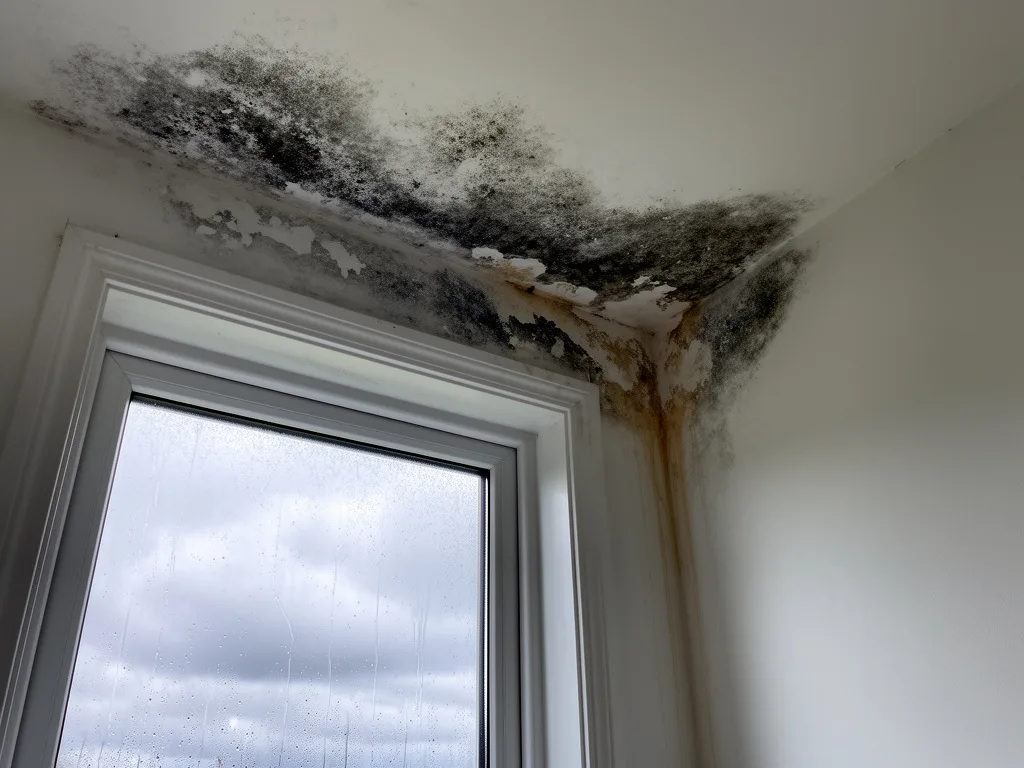
Common spots in houses of this age include the framing under a bathroom, the wall behind a water heater, the area around a window that has lost its caulk, and attic decking under an old roof penetration. A musty smell in a closet on an outside wall is another early sign.
Still weighing your options? Call (404) 495-3899 for a straight answer.
What the 2009 flood taught local homeowners
In late September 2009, heavy rain flooded parts of Sandy Springs. Emergency dispatchers took 614 calls in three hours, bridges over Nancy Creek and Marsh Creek were closed, and nearly 100 people were evacuated, according to a Reporter Newspapers account from 2 October 2009. Floods like that leave behind soaked insulation, wet subfloors and damp wall cavities. If water of that kind is left in place, mold often follows. When a house has taken on water, the order of work matters: drying first, then cleanup, which is why the team also handles the water damage restoration service for the same address.
The city has also built a Marsh Creek Rain Garden that filters stormwater runoff through plants, one of the ways local government deals with heavy rain. Runoff on a single lot still depends on grading, gutters and downspouts, and those are things a homeowner can check.
Checking your own house before the crew arrives
- Look under sinks and around the base of toilets for stains, soft wood or a damp smell.
- Check the ceiling below bathrooms and under the roof line for brown rings.
- Open the crawl space access, if it is safe, and look for damp soil, droplets on ductwork or fuzzy growth on joists.
- Note where gutters empty. Water that lands beside the foundation is a common cause of damp walls.
- Take dated photos before anything is moved, since they help with an insurance review.
Avoid scrubbing or spraying a suspect patch. Disturbing mold can spread spores to other rooms. Turn off the water to a leaking fixture if you can, and keep the area dry.
Found a damp wall or a musty room? Call (404) 495-3899 and describe what you see. The line is open 24/7.
How the cleanup works on a Sandy Springs job
Locating the moisture
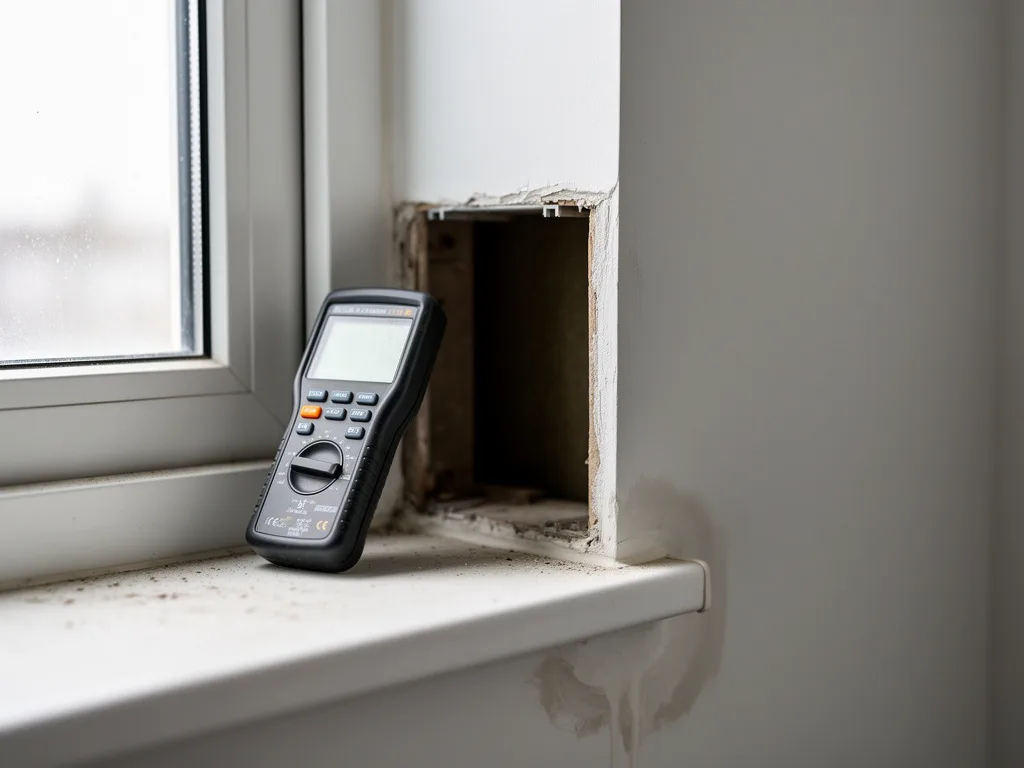
The first visit is a walk through the house with moisture meters, from the attic to the crawl space. The crew marks wet areas and explains what was found. The on-site estimate is free.
Sealing off the work area
Plastic sheeting separates the affected space from the rest of the home. Fans pull air toward the work zone, and HEPA air scrubbers capture airborne particles while material is handled.
Taking out what cannot be saved
Porous materials such as wet drywall, insulation and carpet padding are cut out and bagged. Framing is cleaned with HEPA vacuums and damp wiping.
Drying and a final walk-through
Dehumidifiers and air movers run until readings return to a normal range. The crew then walks the space with you and explains what to watch in the weeks ahead.
Ready for a practical answer? Call (404) 495-3899 to discuss your project.
Crawl spaces, humidity and lasting protection
In a climate this damp, cleanup alone does not always hold. If mold keeps returning to the floor framing, the cause is usually moisture rising from the soil or humid air moving through vents. A sealed and controlled crawl space can lower that risk, and the crawlspace encapsulation service covers what that work involves. Upbeat Restoration also handles smoke and soot after fires, and the fire damage restoration service page explains that side.
Insurance coverage for mold depends on the policy and on what caused the water, and the company does not promise any claim outcome. What it does provide is written notes, dated photos and moisture readings that an adjuster can review.
Questions about your specific surface or budget? Call (404) 495-3899 — no obligation.
Mold Remediation Sandy Springs: your questions answered
Can the Sandy Springs climate bring mold back after a cleanup?
Yes, if the moisture source is not corrected. With about 51.82 inches of rain a year and damp summers, a crawl space or poorly ventilated room can grow mold again. Fixing leaks, gutters, grading and humidity is part of lasting results.
Should I leave the house during a mold cleanup?
It depends on the size of the job and who lives in the home. The crew seals off the work area and filters the air, and will explain whether staying in other rooms is practical for your situation.
What should I do first if I find mold after a heavy rain?
Stop the water if you can, keep the area dry and avoid scrubbing or spraying it. Take dated photos, then call (404) 495-3899 to describe what you see.
Does mold only grow where water was visible?
No. It can grow inside wall cavities, under flooring and in crawl spaces where moisture sits out of sight. A musty smell or peeling paint can be the first clue.
Does the company cover the whole city?
Upbeat Restoration serves homes across Sandy Springs. If you are unsure about your address, call (404) 495-3899 or use the contact page.
Ask about your address
Upbeat Restoration works from 6851 Roswell Rd and serves homes across Sandy Springs, and the crew also takes calls in Roswell, Atlanta and Brookhaven. The business is call-only, so a phone call is the fastest way to reach the crew: (404) 495-3899, any hour. You can also use the contact page to see all the ways to get in touch.
The same team also handles fire damage restoration in Sandy Springs and crawlspace encapsulation in Sandy Springs.